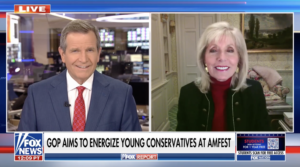
Liz Peek argues that developments in Venezuela represent a significant strategic and political win for President Trump, not only because of the removal of a brutal strongman but because of what it means for energy security across the Western Hemisphere. She emphasizes that restoring Venezuelan oil production strengthens North and South American dominance in global energy markets, reducing the leverage once held by Middle Eastern oil producers. According to Peek, this shift dramatically lowers the risk of sudden price spikes and supply shocks that used to rattle U.S. consumers whenever instability flared overseas.
Peek highlights that Venezuelan oil production—once crippled under Maduro—could realistically return to 3.5 to 4 million barrels per day, a level that would materially bolster regional energy stability. She suggests this renewed supply presents an opportunity to replenish the U.S. Strategic Petroleum Reserve, which she criticizes as having been dangerously depleted under President Biden. While global risks remain, Peek stresses that oil is still a vital national asset and the reserve should be fully restored as a safeguard.
She also notes the strong geopolitical signal Trump is sending to China: the U.S. will continue selling Venezuelan oil, but not at bargain-basement prices and only in U.S. dollars. Peek views this as a reassertion of American leverage in global energy markets and a reminder that Washington—not Beijing—sets the terms when it comes to Western Hemisphere resources.
On the topic of Greenland, Peek dismisses speculation about U.S. military action as political theater, suggesting Trump is intentionally provoking overreactions from critics and European leaders. While she believes acquiring Greenland would be a major national security and economic asset—especially due to its rare earth resources—she does not think Trump seriously intends to seize it. She concludes by quipping that regardless of policy outcomes, Trump’s unconventional style has undeniably revitalized the news industry by constantly driving the national conversation.