The Trump administration ripped up its own olive branch to Iran on Monday, revoking the general license that let Tehran sell oil on the world market — just weeks after handing it out as part of a fragile ceasefire deal.
The White House had granted Iran sanctions relief on Iranian crude and petrochemical sales in late June, a sweetener built into the Memorandum of Understanding that ended the shooting war over Iran’s nuclear program. The concession was supposed to reward Tehran for staying inside the ceasefire lines. Iran did not stay inside the lines.
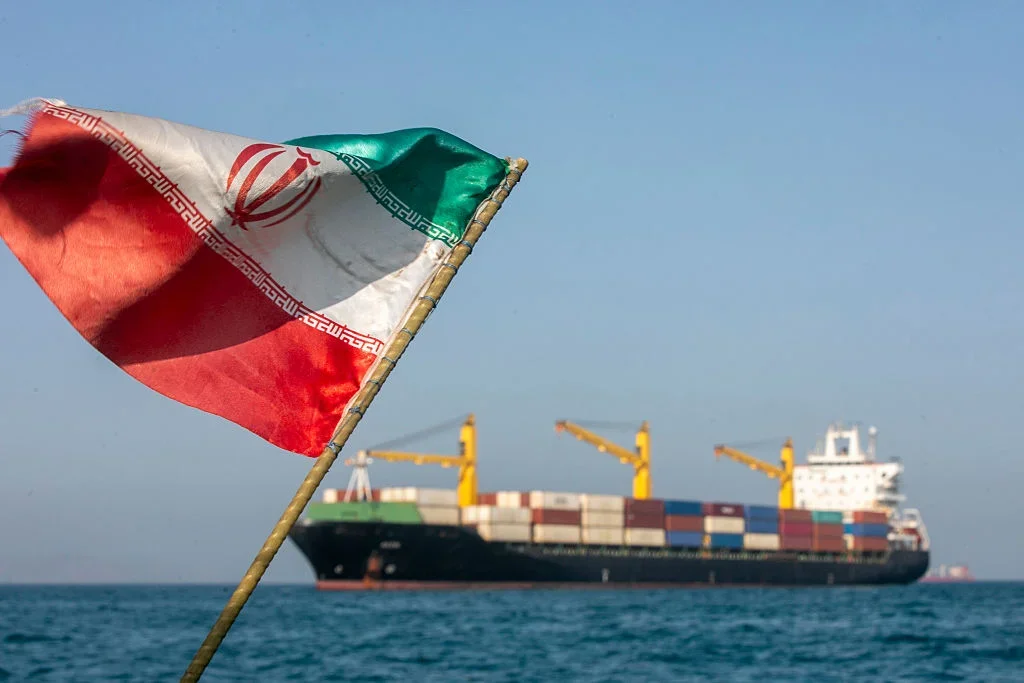
Within 24 hours, Iran fired missiles at three commercial ships near the Strait of Hormuz, the chokepoint through which roughly a fifth of the world’s oil supply moves every day. Washington’s response was immediate: the deal is off, at least for now.
“The Office of Foreign Assets Control is revoking GL X, which authorized the sale of Iranian oil,” a US official told The Post. “As President Trump and the administration have repeatedly affirmed, the MOU in effect with Iran is entirely performance-based.”
Translation: Tehran gets nothing for free. The oil waiver was never a permanent gift — it was leverage, dangled to keep Iran in line, and Iran burned through it in a matter of weeks.
“Iran will only reap benefits if they exhibit good behavior. Iran’s actions in the Strait were wholly unacceptable to the United States and will be met with consequences,” the official added.
The message lands squarely in front of a regime that just watched its own economic lifeline get switched back off by the same administration that switched it on. It is a hard reset delivered in real time — no lengthy review, no diplomatic cover, just a snap revocation the moment Iran tested how far the ceasefire’s goodwill actually stretched.
Still, officials insisted the door to a broader settlement hasn’t slammed shut. The same US official said negotiators “continue to work in good faith towards a final deal,” signaling Monday’s move is meant as punishment for the Hormuz attacks specifically, not a declaration that talks are over.
That distinction matters. The general license was always framed as performance-based — Iran behaves, Iran gets access to the global oil market; Iran escalates, the access disappears. Monday’s revocation is the administration proving, on day one of a real test, that it meant what it said.
It also puts Tehran on notice heading into whatever comes next. The Strait of Hormuz missile strikes were not a minor provocation — they targeted commercial shipping in one of the most economically sensitive waterways on the planet. Yanking the oil license is the fastest lever Washington had to pull without abandoning the broader deal altogether, and it pulled it within a day.
For a ceasefire built on the premise that concessions get revoked the moment they’re tested, Monday was the first real test — and Iran failed it almost immediately.
